Working demo — temporary images and specifications will be replaced after the shop survey.
Equipment & inspection

The machines we use and how we inspect parts.

This page will list key machines, their working ranges, the jobs they handle and the measuring tools used before shipment.
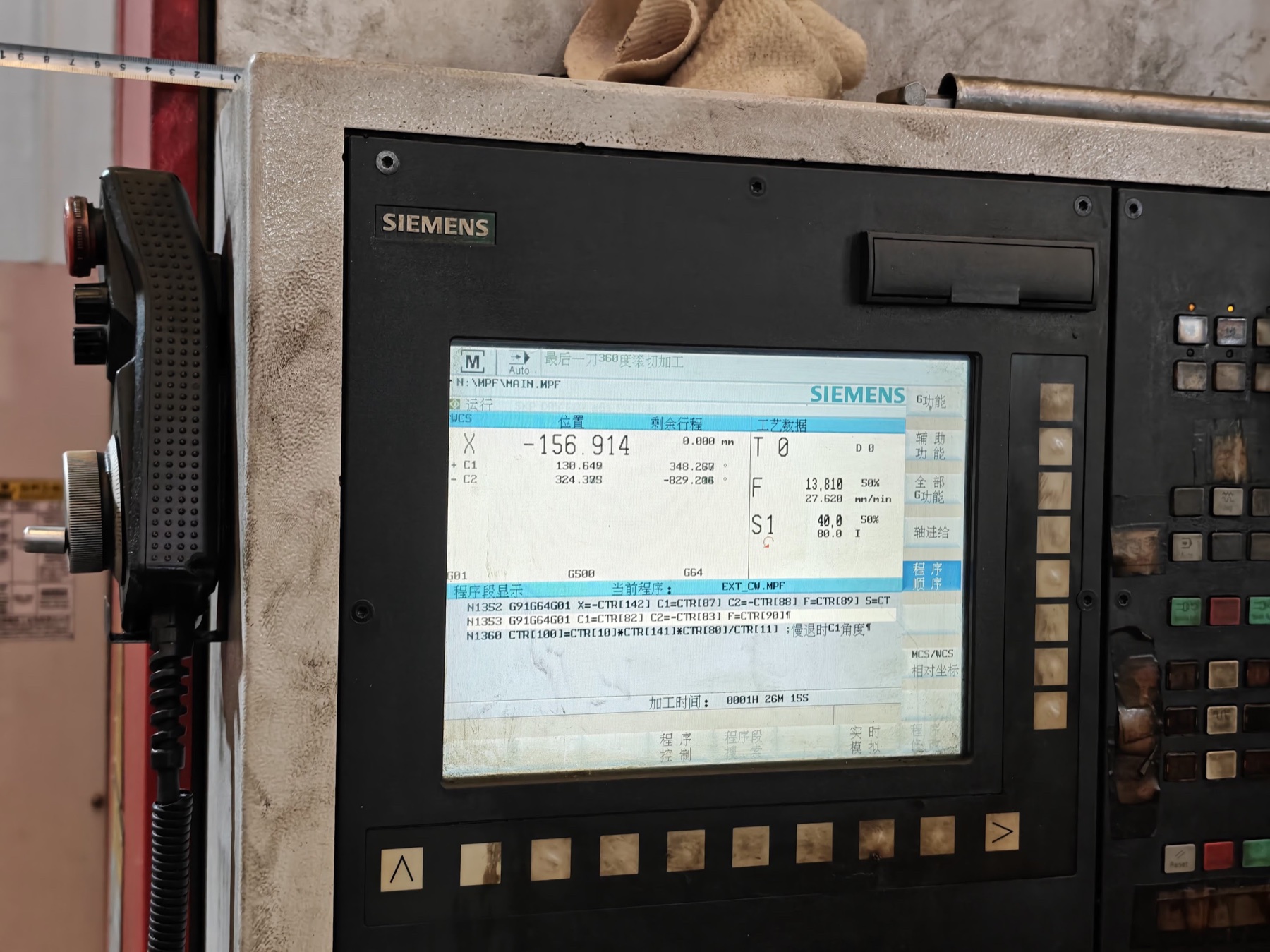
A Siemens control panel on a working production machine in the Li and Son workshop
On-site control detail — machine identification and specifications to be confirmed.
Key machines

Production equipment

Each final card will use an on-site photograph and data copied from the machine plate—not a manufacturer brochure.

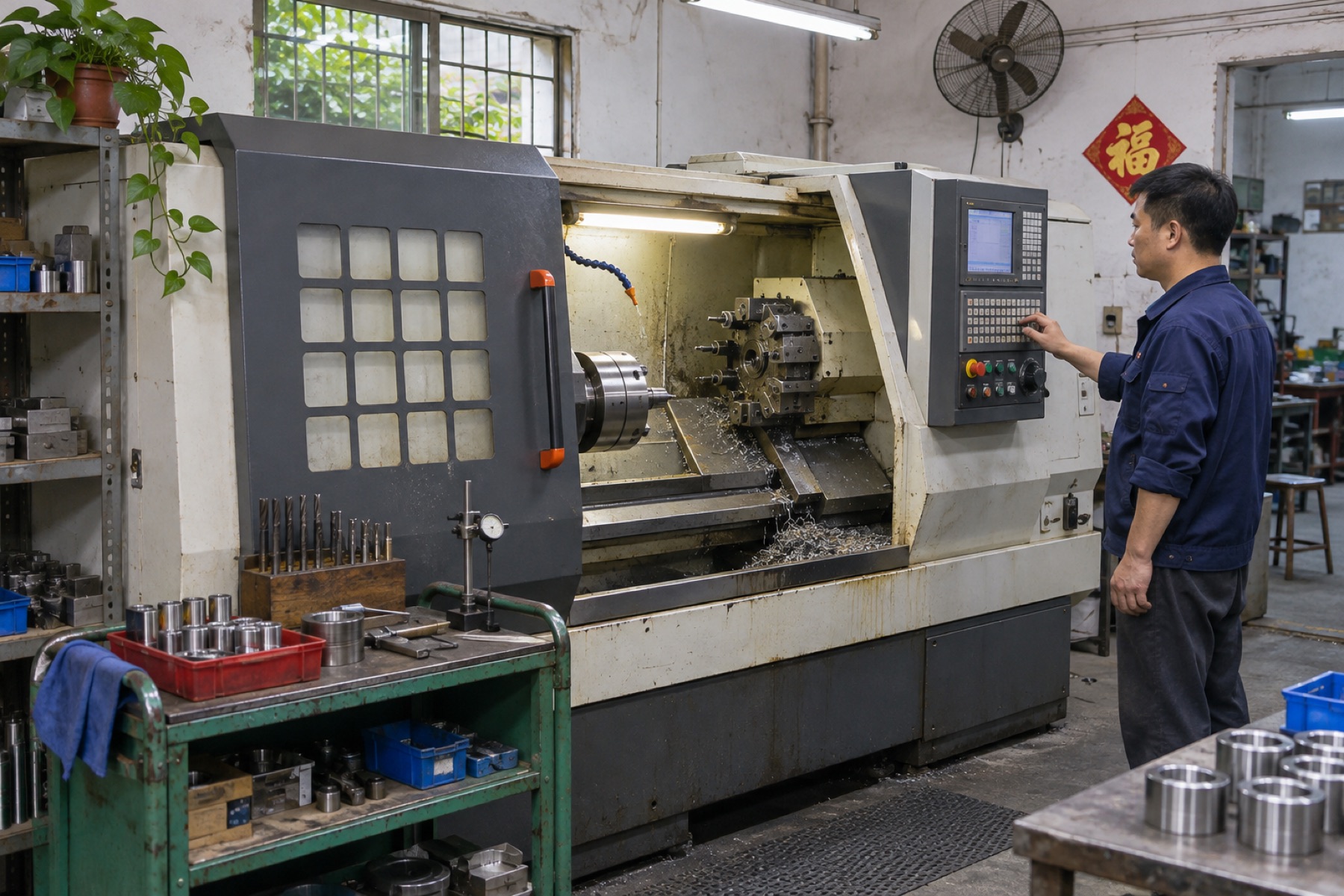
A CNC lathe in a small working machine shop

CNC Lathe A

Explain the part families this machine actually handles, rather than calling it “advanced”.
Make / model
To confirm
Quantity
To count
Envelope
To measure
Typical work
To document
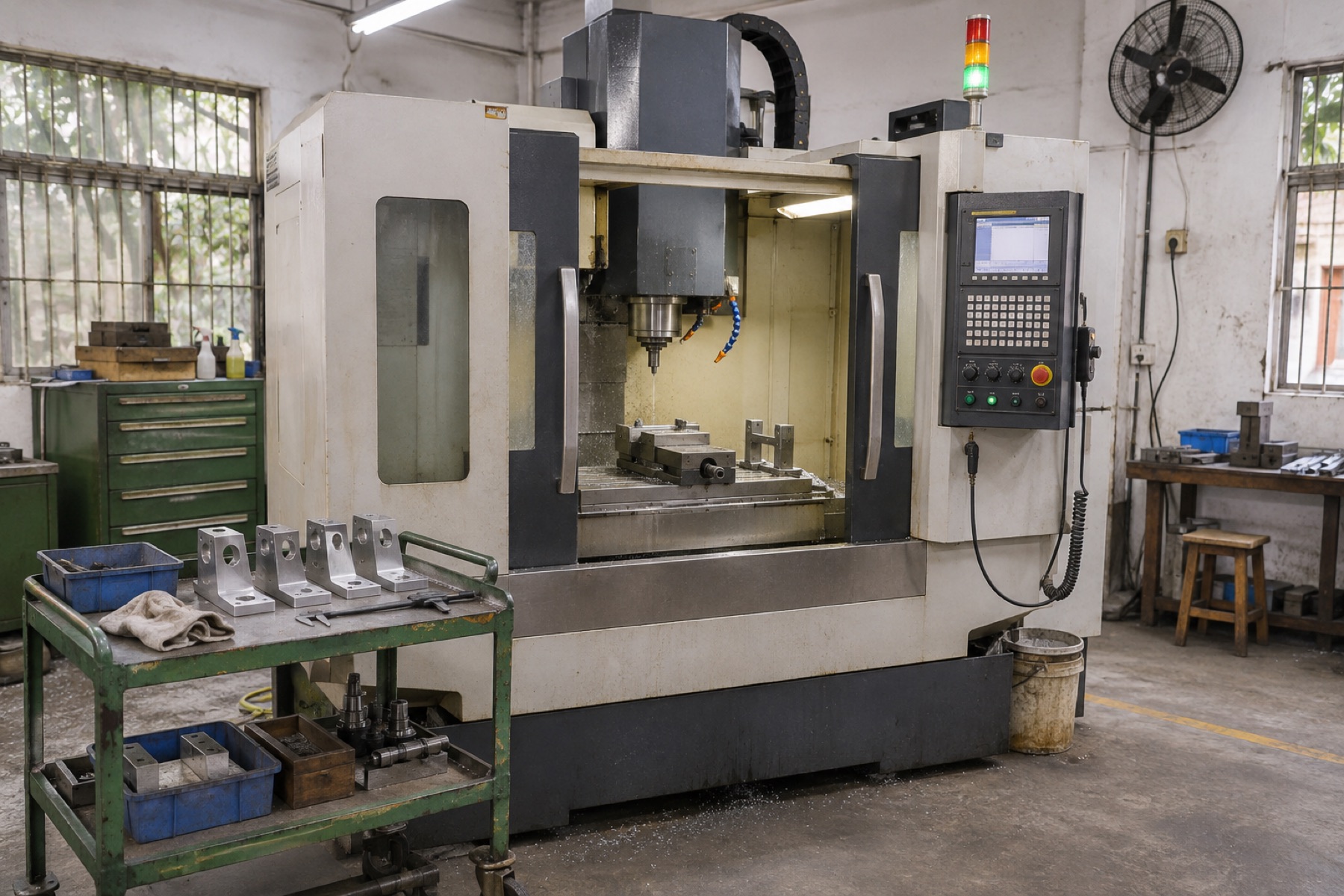
A vertical machining centre in a small working shop

Machining Centre B

State travel, spindle, workholding and when a job needs a partner or should be declined.
Make / model
To confirm
Quantity
To count
X / Y / Z
To measure
Typical work
To document
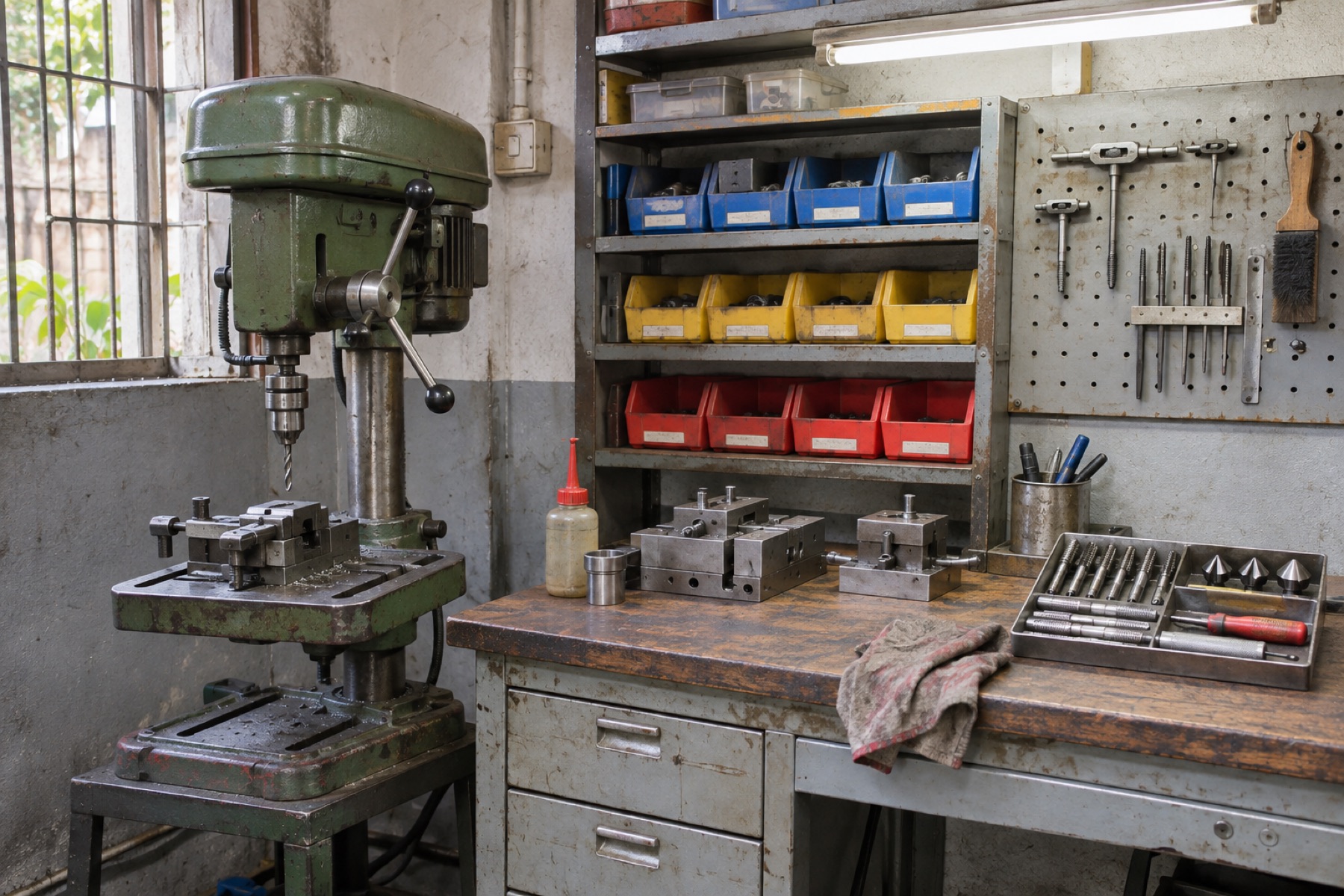
A drill press and tool bench in a small machine shop

Support Machine C

An older machine can appear if it still performs real work and its condition is understood.
Machine type
To map
Maintenance
To document
Main operation
To confirm
Use case
By process plan
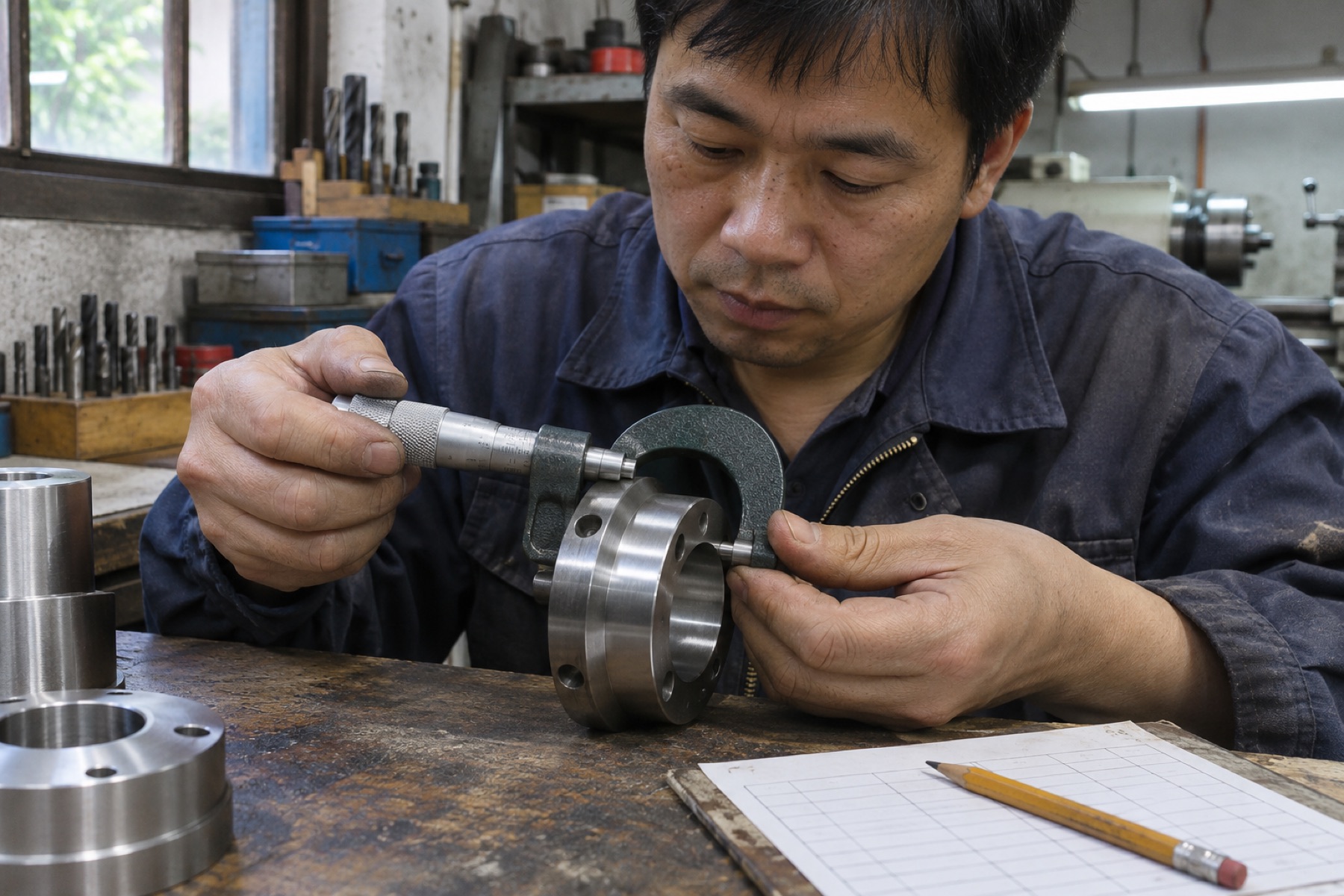
A machinist inspecting a finished metal part with a micrometer

Inspection Tools

Show calibration, storage and use—not simply a row of instruments in a case.

Instruments
To list
Resolution
Check certificates
Calibration
Build register
Records
Define by order
Inspection flow

From first-off to shipment.

The shop does not need to imitate a complex quality department. It does need real checks, clear ownership and records appropriate to the order.

01

Material & drawing review

Confirm material, revision, critical dimensions and special notes.

02

First-off inspection

Verify critical dimensions before continuing the batch.

03

In-process checks

Set a sensible frequency around the main risks.

04

Final verification

Reconcile dimensions, appearance, quantity, labels and documents.

Experience into records

How the father judges it. How the son records it.

Shop-floor judgement

Years of experience often appear in short comments: “this will be difficult to hold” or “this wall may move”.

  • Workholding stability
  • Tool access
  • Material movement
  • Allowance and sequencing
→

Reusable records

Capture the judgement so the next order is more consistent and another person can understand the process.

  • Drawing revision and approvals
  • Critical operations and risks
  • First-off and final checks
  • Non-conformance and revision notes

A machine list may not answer the question. Send the drawing and let us review the features.

Send a Drawing →